World AIDS Day 2025 Photo Gallery
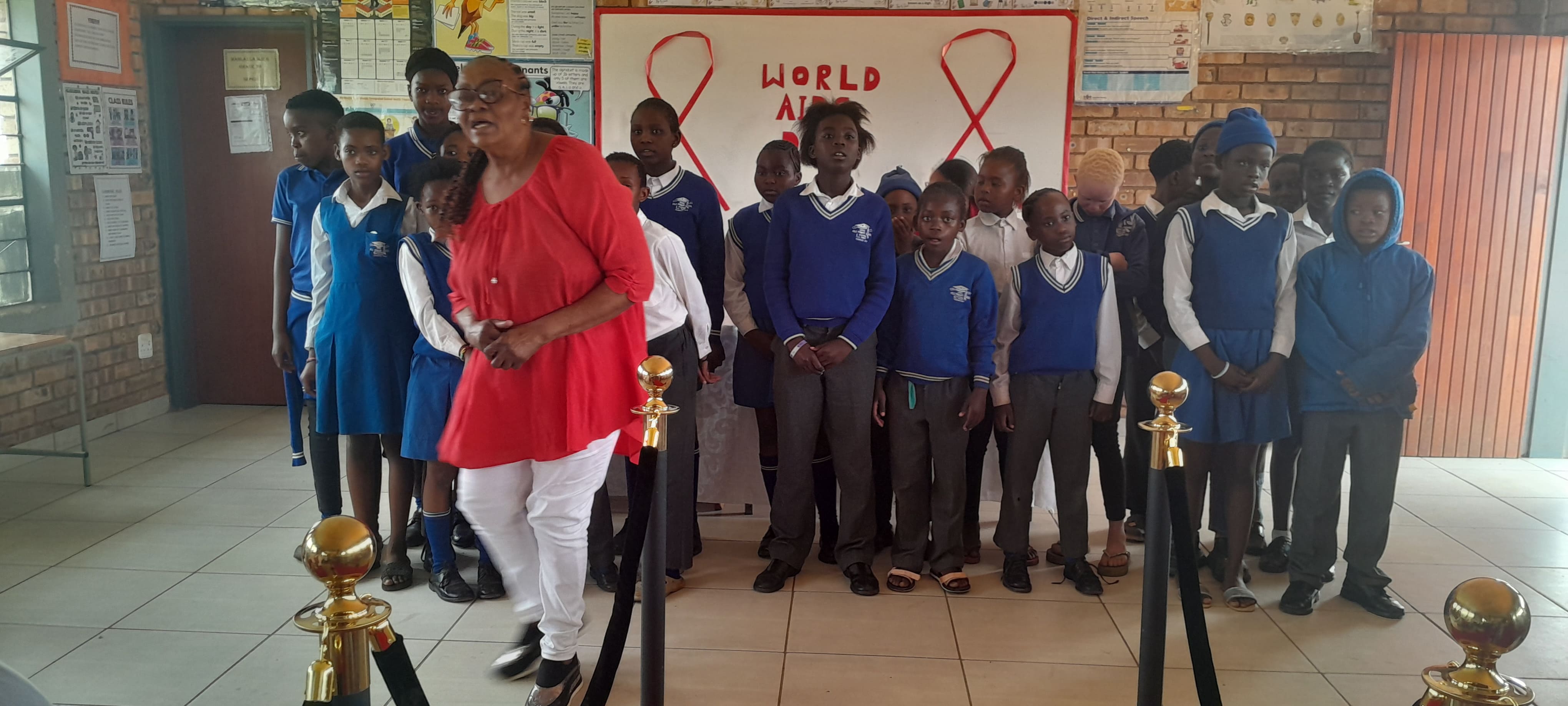
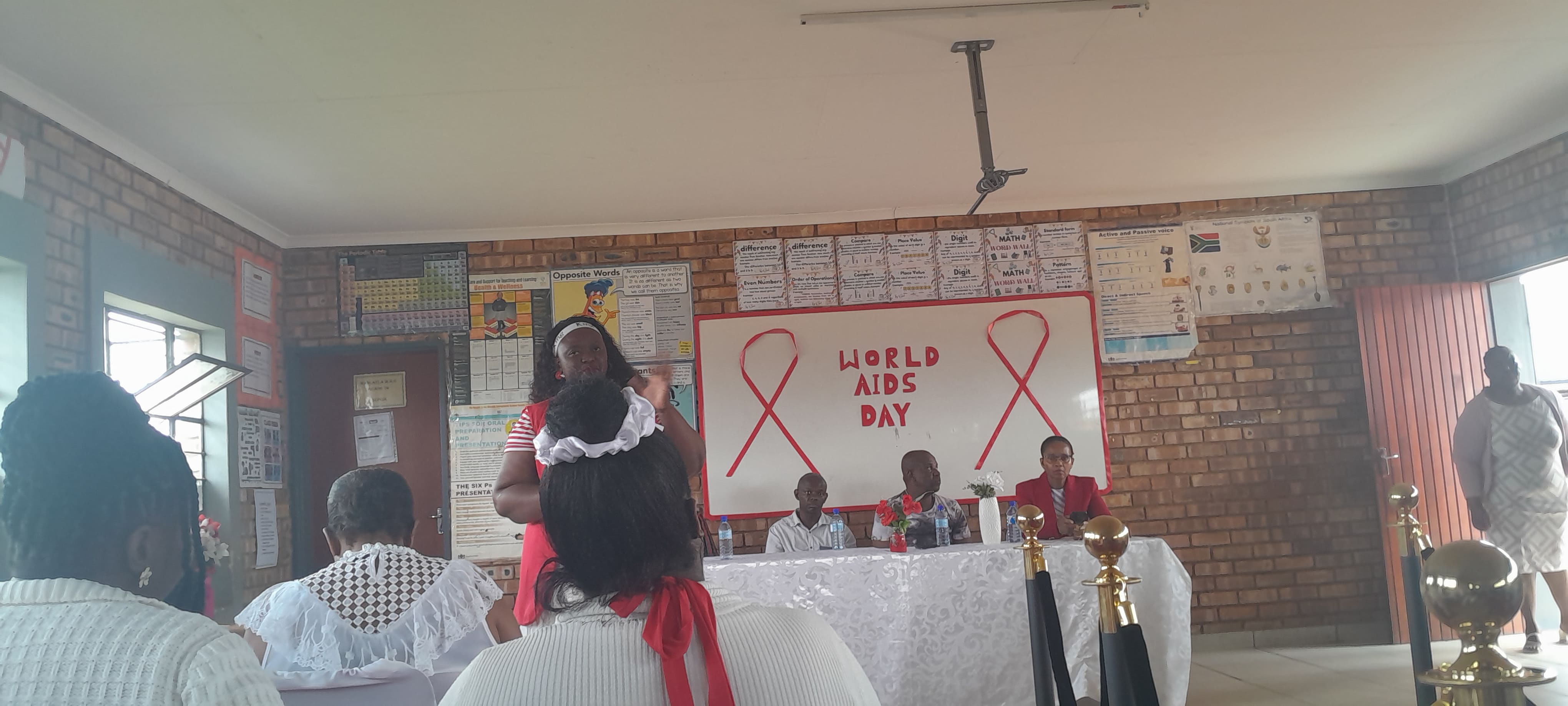
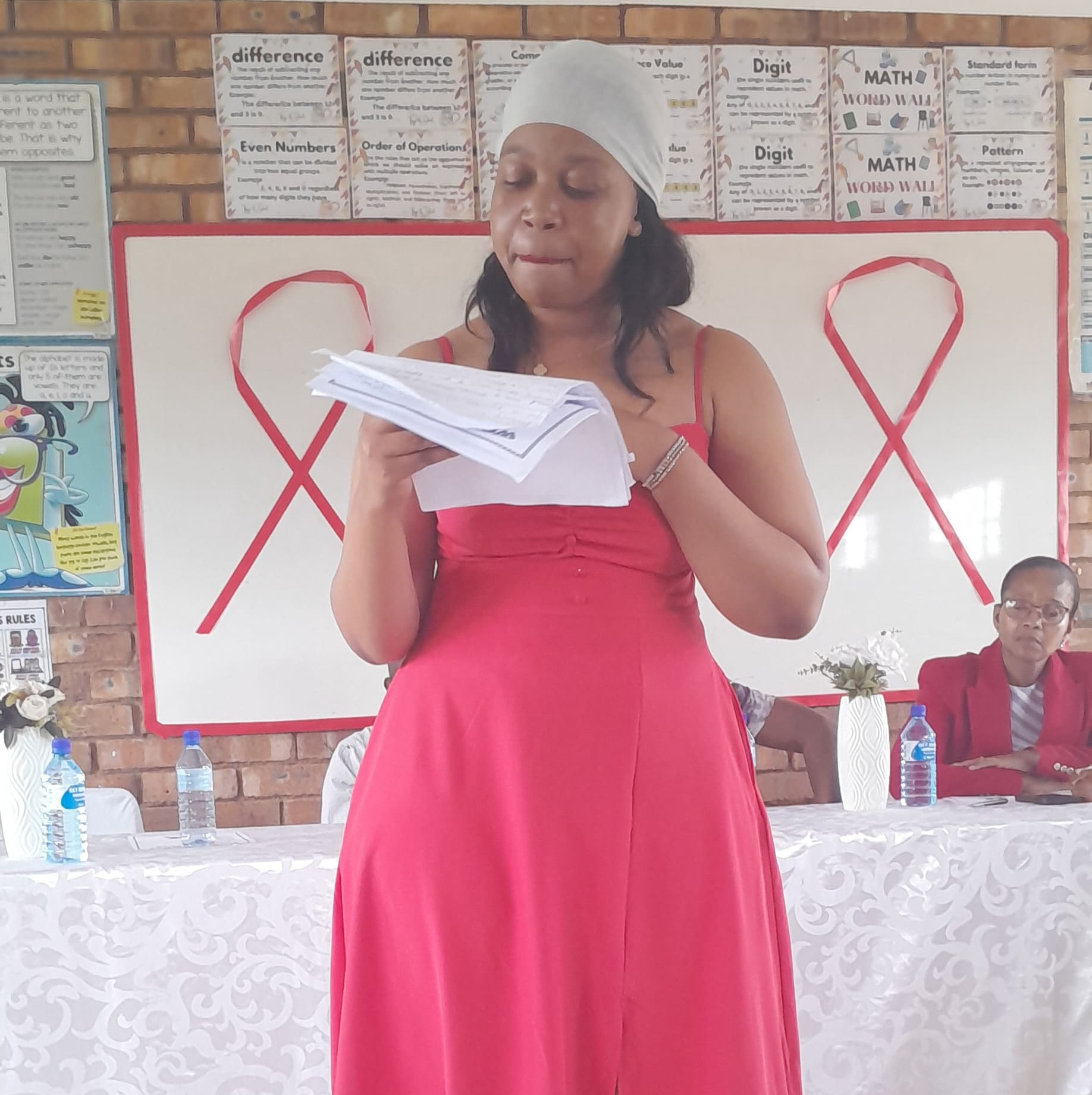
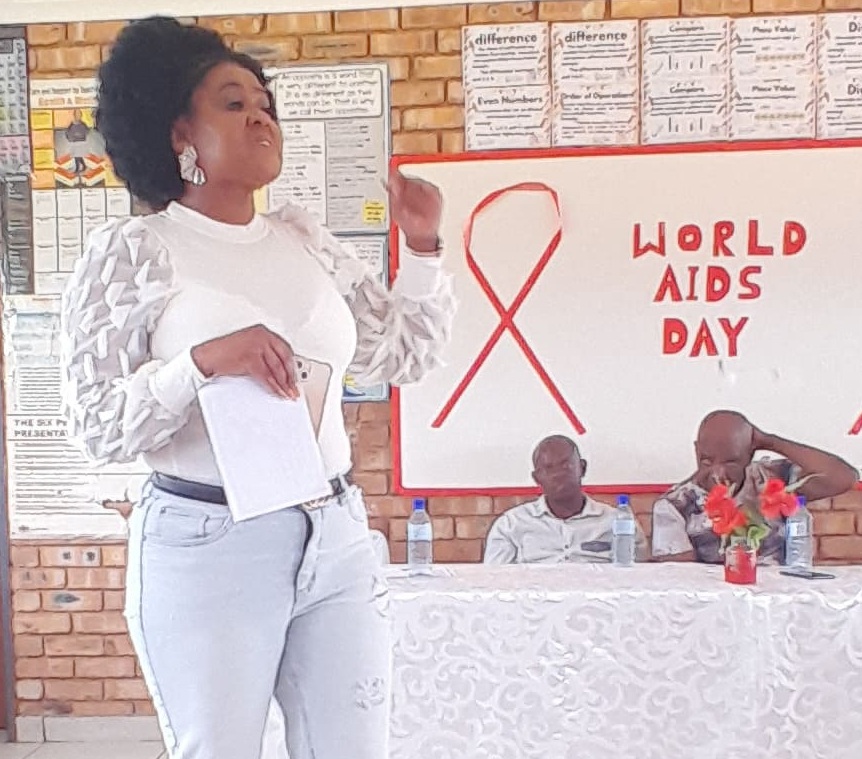
On December 1st, our school community stood together in vibrant red, symbolizing our shared commitment to unity, education, and hope.





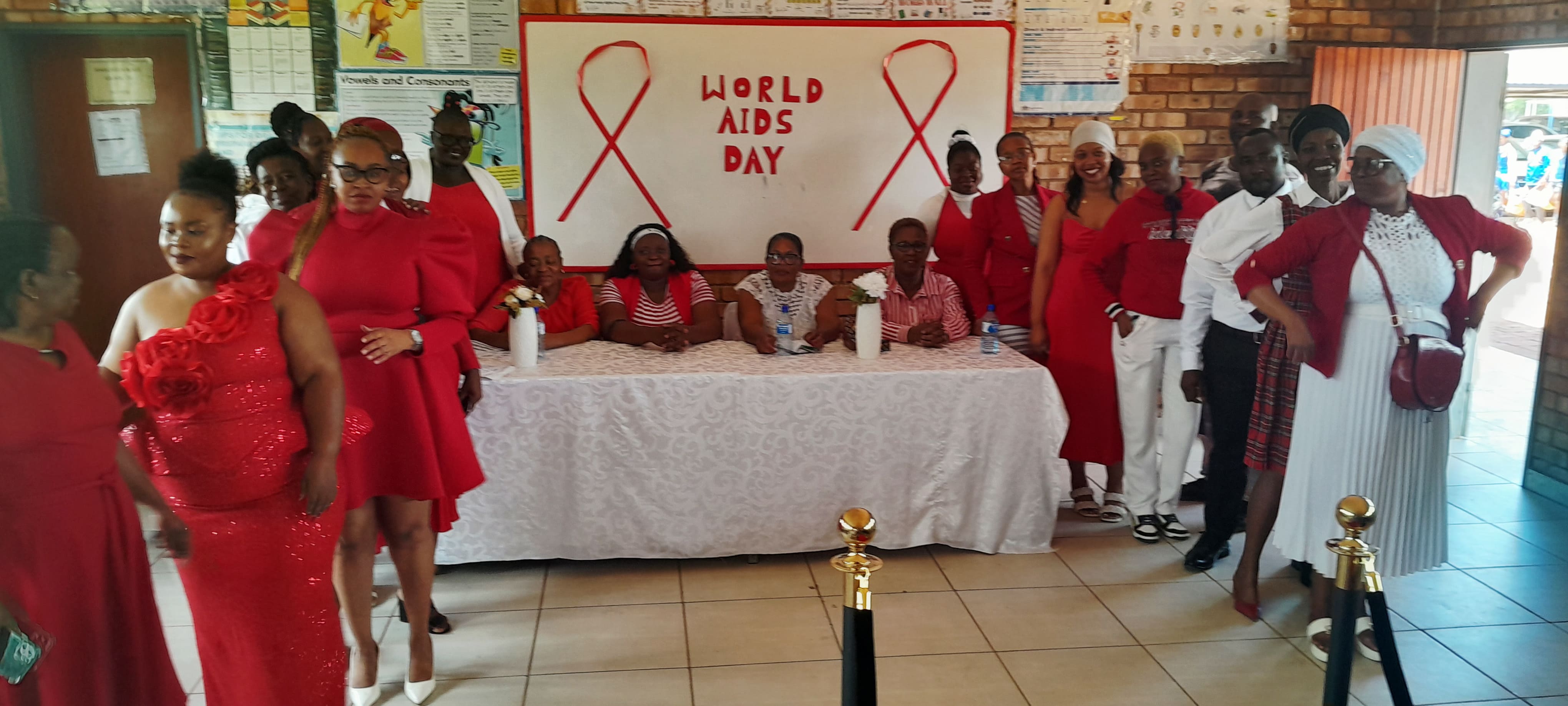


Observed annually on December 1st, World AIDS Day serves as a vital global moment to raise awareness about the HIV/AIDS epidemic, honor those who have died from AIDS-related illnesses, and show solidarity with the millions of people living with the virus. First established in 1988, the day highlights the ongoing need for universal access to life-saving treatment, the elimination of social stigma, and the protection of human rights.
As of 2026, the global community is operating under the theme of "Overcoming Disruption, Transforming the AIDS Response," a call to action following recent funding challenges and service interruptions. While scientific advancements—such as long-acting injectables for prevention and the U=U (Undetectable = Untransmittable) movement—have brought the goal of ending AIDS as a public health threat by 2030 within reach, World AIDS Day remains a critical reminder that persistent inequalities and structural barriers still prevent many from receiving the care they need.
| Target | Objective |
|---|---|
| 95-95-95 | 95% of people living with HIV know their status, 95% of those are on treatment, and 95% of those are virally suppressed. |
| Zero Stigma | Ensuring that less than 10% of people living with HIV experience stigma and discrimination. |
| 2030 Vision | Ending the AIDS epidemic as a global public health threat. |
On December 1st, our school community stood together in vibrant red, symbolizing our shared commitment to unity, education, and hope.